Do You Need Planning Permission for a Pergola?
In most cases you do not need planning permission for a freestanding pergola in the UK, as it usually falls under permitted development. There are limits and exceptions, though, and this guide explains when a pergola is fine to install and when you should check first.
The short answer
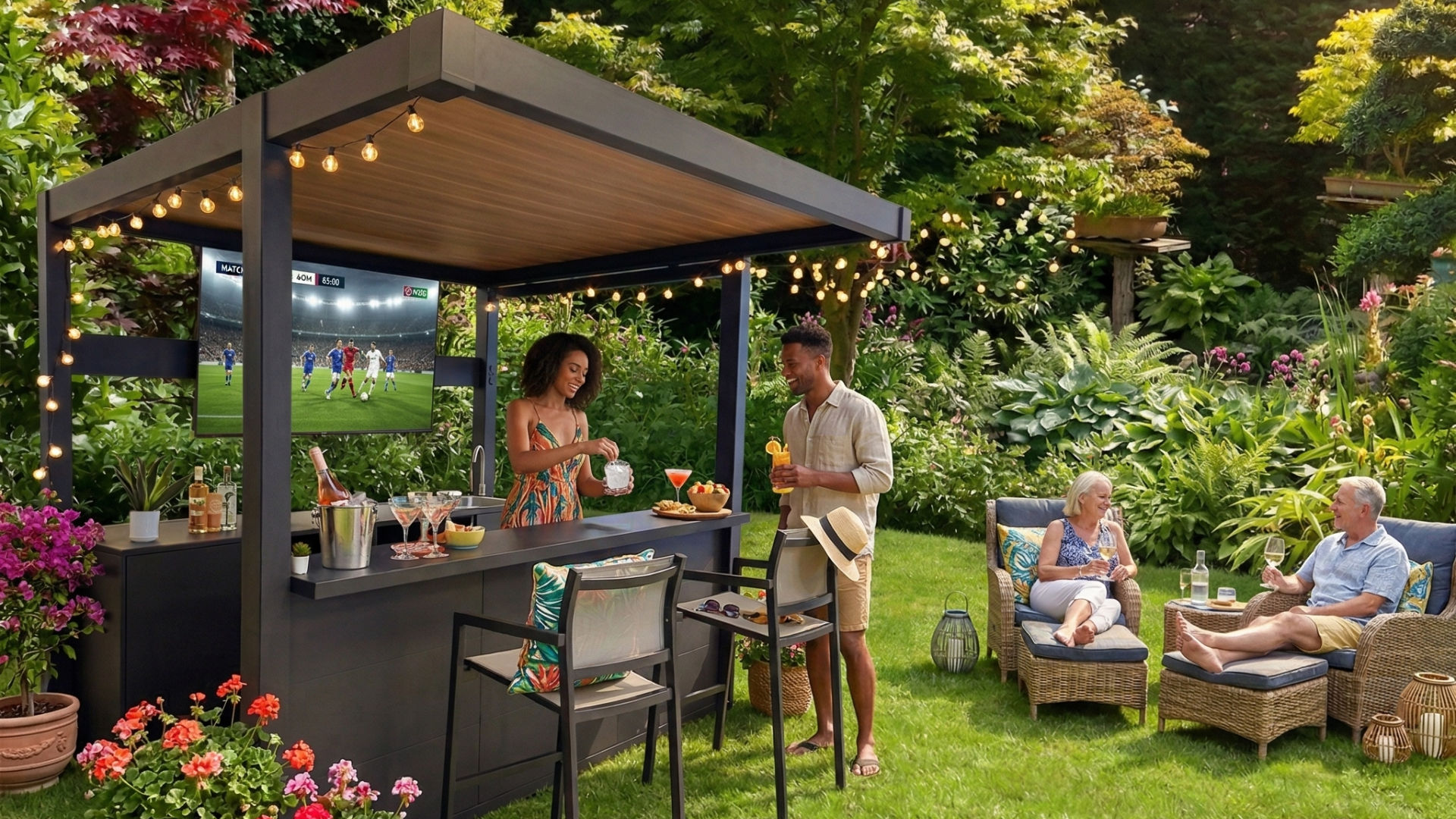
For most homes in England, a freestanding pergola counts as permitted development, so no planning application is needed. Permitted development comes with size, height and position rules, and separate rules apply if you live in a listed building, a conservation area, or in Scotland, Wales or Northern Ireland. If your pergola stays within the normal limits and sits in an ordinary garden, you are very likely fine to go ahead.


Permitted or check first?
Usually permitted
Freestanding and within the height limits
In a back or side garden, not in front of the house
Taking up well under half the garden
A standard home outside protected areas
Check first
Listed buildings and conservation areas
National parks and areas of outstanding natural beauty
Homes in Scotland, Wales or Northern Ireland
Anything on a boundary or near shared access
The rules in a bit more detail
Height and the boundary rule
As a rule of thumb, a garden structure within 2m of a boundary should stay under 2.5m high, with more height allowed further into the garden. A low, freestanding pergola like the Lumina sits comfortably in that range for most gardens.
Ground cover
Permitted development expects outbuildings and garden structures to take up no more than half the land around the original house. A single pergola is a small footprint, so this is rarely a problem unless your garden is already crowded with other buildings.
Position on the plot
Structures forward of the principal elevation, roughly in front of the front wall of the house facing the road, usually do need permission. A pergola in a back or side garden is the normal, straightforward case.
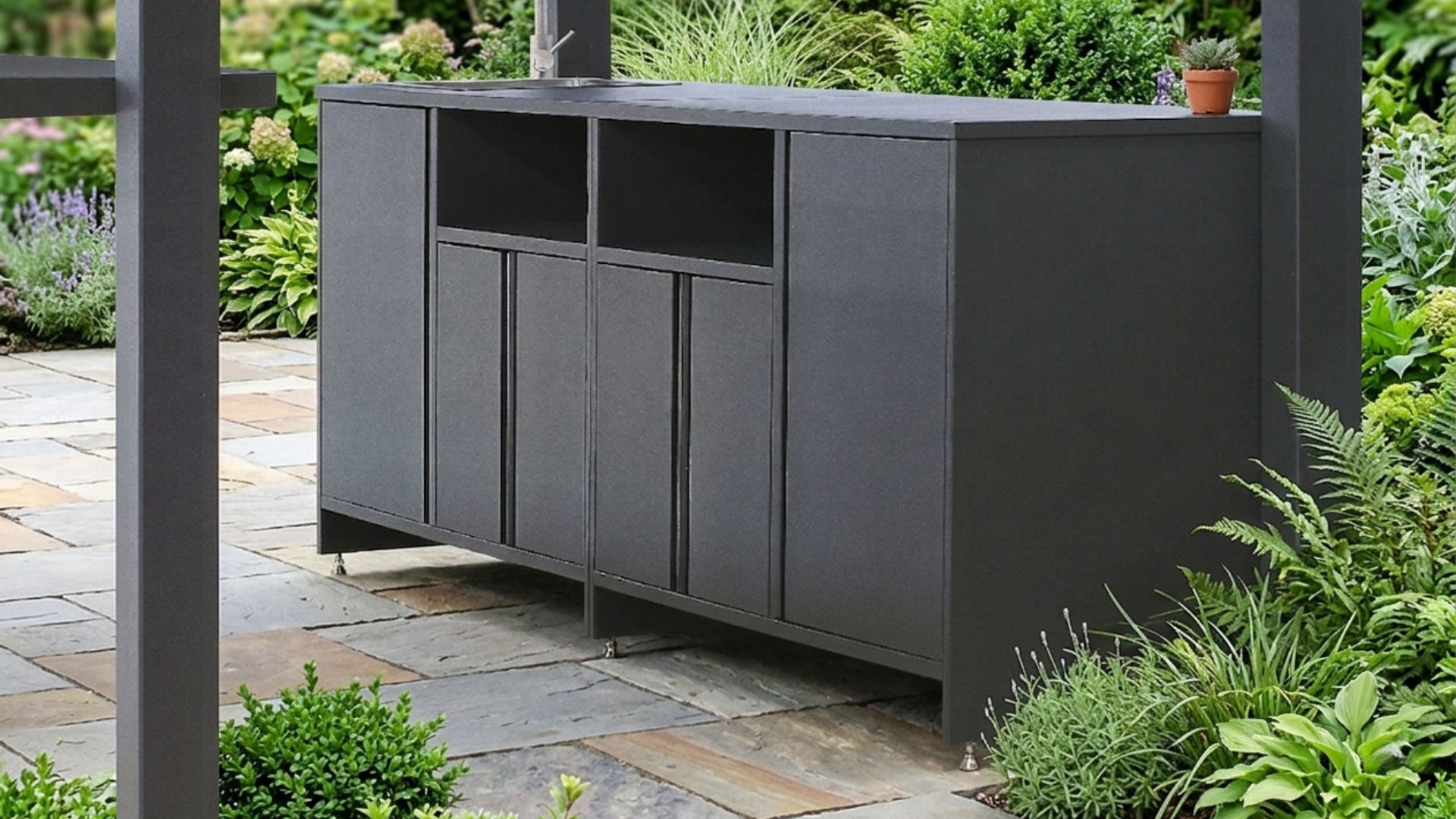
The Lumina Aluminium Pergola Kitchen is a freestanding unit with a 2.5m x 3m footprint, a powder-coated aluminium frame and a wood-effect steel roof, so for most gardens it installs as permitted development without an application.
Common questions
Do I need planning permission for a freestanding pergola?
Usually not. A freestanding pergola in an ordinary garden normally falls under permitted development in England, provided it stays within the height and size limits and is not in front of the house. Always check your own circumstances if you are unsure.
What are the height limits for a pergola under permitted development?
As a general guide, a garden structure within 2m of a boundary should be no more than 2.5m high, with greater height allowed further into the garden. Confirm the current figures with the Planning Portal or your local authority.
Do the rules change in a conservation area or listed building?
Yes. Permitted development rights are more restricted for listed buildings, conservation areas and protected landscapes, so you should check with your local planning authority before installing.
Is planning permission different in Scotland, Wales and Northern Ireland?
The overall approach is similar but the exact limits differ by nation. Check the rules for where you live rather than assuming the England position applies.
Does a pergola need building regulations approval?
A freestanding garden pergola generally does not need building regulations approval, as it is not a habitable building. If in doubt, your local building control team can confirm.
See a complete outdoor kitchen pergola
The Pergula Lumina brings the pergola, wood-effect steel roof, bar counter and kitchen suite together in one freestanding package, ready to ship from UK stock.
